
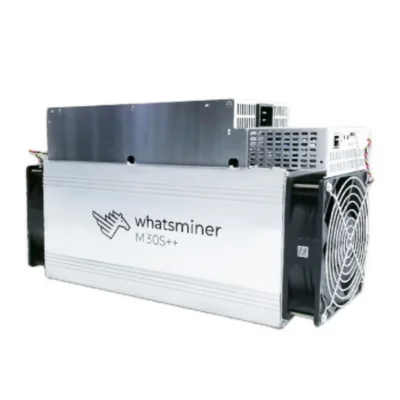
Description
Whatsminer M31S+ 72TH Bitcoin ASIC Miner
The Whatsminer M31S+ is a SHA-256 ASIC miner manufactured by MicroBT for mining Bitcoin and other compatible cryptocurrencies. With a maximum hashrate of 72TH/s and rated power consumption of 3220W, this air-cooled mining machine is designed for dedicated mining rooms, professional hosting facilities and cryptocurrency mining farms.
The Whatsminer M31S+ combines industrial mining performance with Ethernet connectivity, dual-fan air cooling and a durable MicroBT mining architecture. Before purchasing or operating this machine, miners should compare its expected revenue with electricity rates, mining difficulty, pool fees, cooling expenses and the total hardware cost.
Because cryptocurrency market conditions change continuously, Whatsminer M31S+ profitability is not fixed. Bitcoin price, network difficulty, block rewards, transaction fees and operating expenses can all affect daily earnings. A complete profitability calculation should therefore include both expected mining revenue and every recurring operating cost.
Browse more ASIC miners for sale, read our guide explaining how cryptocurrency mining works, or compare the machine with our other Whatsminer reviews.
Whatsminer M31S+ Overview
The Whatsminer M31S+ belongs to MicroBT’s established range of SHA-256 mining hardware. It was developed for operators who require continuous mining performance rather than a small, low-power home mining device. Its 72TH/s hashrate allows it to contribute substantial computing power to a compatible mining pool, while its 3220W power requirement makes access to affordable electricity especially important.
The machine is primarily associated with Bitcoin mining, although its SHA-256 algorithm can also process other compatible proof-of-work cryptocurrencies. Actual results depend on the selected mining pool, network conditions, firmware configuration, machine condition and environmental conditions within the mining facility.
Although the Whatsminer M31S+ is an older-generation ASIC, it may remain useful in locations with low electricity prices or professional hosting arrangements. Buyers should compare its efficiency, acquisition price and expected operating life against newer MicroBT and competing ASIC models before making a final decision.
Whatsminer M31S+ Specifications
| Manufacturer | MicroBT |
|---|---|
| Model | Whatsminer M31S+ |
| Mining Algorithm | SHA-256 |
| Maximum Hashrate | 72TH/s |
| Rated Power Consumption | 3220W |
| Estimated Energy Efficiency | Approximately 44.7 J/TH |
| Release Date | April 2020 |
| Dimensions | 130 × 220 × 390mm |
| Weight | Approximately 12.5kg |
| Chip Size | 12nm |
| Cooling System | Air cooling |
| Fans | 2 |
| Reported Noise Level | Approximately 75dB |
| Input Voltage | 200–240V |
| Network Interface | Ethernet |
| Operating Temperature | -5°C to 40°C |
| Operating Humidity | 5% to 95% |
Performance, power draw and environmental readings can vary according to firmware, power quality, ambient temperature, miner condition and operating configuration.
Whatsminer M31S+ Mining Performance
The Whatsminer M31S+ provides a maximum advertised hashrate of 72TH/s on the SHA-256 algorithm. Hashrate represents the number of calculations the machine can perform each second while attempting to solve cryptographic mining problems. Higher hashrate generally gives a miner a larger proportional contribution to a mining pool, although it also needs to be evaluated alongside power consumption.
For most operators, joining a reputable mining pool is more practical than solo mining. A pool combines the hashrate of many machines and distributes rewards according to its payout system and each participant’s contributed work. Pool selection can affect payment frequency, fees, rejected shares and overall operating experience.
Stable performance requires more than simply connecting the miner to electricity. A reliable Ethernet connection, adequate ventilation, suitable electrical infrastructure and regular performance monitoring are essential. The machine’s dashboard should be checked for abnormal temperatures, missing hashboards, fan errors and declining hashrate.
Miners comparing MicroBT hardware can also review the Whatsminer M32S, our detailed Whatsminer M32S hashrate guide, and the newer Whatsminer M76.
Power Consumption and Energy Efficiency
Power cost is one of the most important considerations when operating the Whatsminer M31S+. At a rated consumption of 3220W, the machine uses approximately 3.22 kilowatts while running. If it operates continuously for 24 hours, its estimated daily energy consumption is:
3.22kW × 24 hours = 77.28kWh per day
At an electricity price of $0.10 per kWh, the estimated daily electricity expense would be:
77.28kWh × $0.10 = $7.73 per day
That calculation covers only the miner’s stated power consumption. It does not include ventilation fans, air conditioning, transformers, network equipment, hosting charges, pool fees, maintenance or electrical losses. A professional profitability estimate should include these additional expenses.
| Electricity Rate | Estimated Daily Cost | Estimated 30-Day Cost |
|---|---|---|
| $0.05 per kWh | $3.86 | $115.92 |
| $0.08 per kWh | $6.18 | $185.47 |
| $0.10 per kWh | $7.73 | $231.84 |
| $0.12 per kWh | $9.27 | $278.21 |
| $0.15 per kWh | $11.59 | $347.76 |
These examples assume continuous operation at 3220W and do not include cooling, hosting, pool or maintenance expenses.
Whatsminer M31S+ Profitability Factors
Whatsminer M31S+ profitability changes as Bitcoin mining conditions change. A figure calculated today should not be treated as a permanent income guarantee. Revenue may rise or fall because of changes in Bitcoin’s market value, global network hashrate, mining difficulty, transaction fees and pool performance.
When evaluating the Whatsminer M31S+, consider the following factors:
- Bitcoin market price: The value of mined BTC directly affects the fiat value of mining revenue.
- Network difficulty: Increasing difficulty can reduce the amount of Bitcoin earned by the same hashrate.
- Electricity rate: A small difference in the price per kWh can significantly change monthly operating costs.
- Mining pool fees: Pools may charge different fees and use different payout structures.
- Machine uptime: Downtime caused by overheating, network failures or repairs reduces revenue.
- Cooling expenses: Ventilation and air conditioning may require additional electricity.
- Hardware price: The purchase price determines how long it may take to recover the initial investment.
- Hosting and maintenance: Professional hosting, replacement fans, power-supply repairs and technical support add to total costs.
A useful calculation begins with estimated daily mining revenue and subtracts electricity, pool fees, hosting, cooling and maintenance reserves. The result is estimated net operating profit. The original purchase cost can then be divided by that estimated net profit to calculate a simple payback period. Because revenue can change quickly, this figure should be treated as an estimate rather than a promise.
Live Bitcoin pricing can be reviewed through CoinMarketCap, while current transaction activity and network information can be explored through Mempool.space. These are ordinary dofollow links and do not contain a nofollow attribute.
What Can the Whatsminer M31S+ Mine?
The Whatsminer M31S+ uses the SHA-256 mining algorithm. It is primarily purchased for Bitcoin mining, but it can technically mine other proof-of-work cryptocurrencies that use the same compatible algorithm.
Possible SHA-256 mining options include:
- Bitcoin (BTC)
- Bitcoin Cash (BCH)
- Bitcoin SV (BSV)
- Other compatible SHA-256 proof-of-work cryptocurrencies
Coin compatibility does not automatically mean that every coin will be profitable. Before changing currencies or pools, miners should compare market liquidity, network difficulty, expected rewards, pool availability and withdrawal requirements.
Whatsminer M31S+ Setup and Installation
Correct installation helps protect the Whatsminer M31S+ and improves operational stability. This machine requires suitable electrical infrastructure and should not be connected to an ordinary household circuit without confirming that the circuit, breaker, wiring, outlet and power-distribution equipment can safely support the continuous load.
- Inspect the miner: Check the casing, fans, cables, connectors and power supply for visible damage before powering it on.
- Prepare the electrical connection: Use the correct voltage and appropriately rated electrical equipment.
- Connect Ethernet: Attach the machine to a stable wired network with internet access.
- Provide clear airflow: Keep the intake and exhaust areas free from walls, boxes, cables and other obstructions.
- Locate the IP address: Use the recommended network discovery method to find the miner on your local network.
- Open the control panel: Enter the miner’s IP address in a browser and sign in using the correct credentials.
- Add pool information: Enter the mining pool address, worker name and password supplied by the selected pool.
- Monitor startup: Allow the miner to initialize, then check hashrate, temperature, fan speed and pool status.
MicroBT publishes current installation and maintenance information through the official Whatsminer operation guide section. Operators should follow the applicable manufacturer instructions and local electrical regulations.
Cooling, Heat and Noise Management
The Whatsminer M31S+ converts most of its electrical consumption into heat. Its air-cooling system moves a large volume of air through the chassis, which helps control component temperatures but also creates considerable noise. With a reported operating noise level near 75dB, the machine is generally unsuitable for bedrooms, offices or shared residential spaces.
A dedicated mining room, insulated enclosure, garage, warehouse or professional hosting facility is more appropriate. However, an enclosure must never restrict airflow or cause hot exhaust air to circulate back into the miner’s intake.
Good environmental management should include:
- Unrestricted cool-air intake and hot-air exhaust
- Separation between intake air and exhaust air
- Regular removal of dust from the mining area
- Temperature and humidity monitoring
- Inspection of fan speed and fan condition
- Avoidance of moisture, corrosive air and excessive airborne particles
- Automatic alerts for overheating or hashrate loss
Improper ventilation can raise temperatures, reduce stability and shorten component life. Noise-control methods should focus on safe ducting, distance and professionally designed airflow rather than simply enclosing the miner in a sealed box.
Who Should Consider the Whatsminer M31S+?
The Whatsminer M31S+ may suit buyers who already understand ASIC mining infrastructure and can operate the machine where power, heat and noise can be managed safely.
This miner may be suitable for:
- Bitcoin miners with access to affordable electricity
- Operators expanding an existing SHA-256 mining farm
- Buyers comparing discounted older-generation ASIC hardware
- Professional mining-hosting customers
- Mining facilities with adequate ventilation and electrical capacity
- Operators who can perform detailed revenue and ROI calculations
It may not be suitable for users seeking a quiet plug-and-play desktop miner. New buyers should carefully assess electrical requirements, local noise restrictions, ventilation expenses and available technical support before purchasing.
Frequently Asked Questions
What is the Whatsminer M31S+ hashrate?
The Whatsminer M31S+ has a maximum advertised hashrate of 72TH/s on the SHA-256 mining algorithm. Actual performance may vary slightly because of firmware, temperature, power quality and machine condition.
How much power does the Whatsminer M31S+ use?
The miner has a rated power consumption of 3220W. At continuous operation, this equals approximately 77.28kWh per day before accounting for external cooling and other facility equipment.
Is the Whatsminer M31S+ profitable?
Profitability depends on Bitcoin price, network difficulty, electricity cost, pool fees, cooling expenses, miner uptime and acquisition price. The calculation should be updated using current market and network information before purchasing or operating the machine.
What is the efficiency of the Whatsminer M31S+?
Using 72TH/s and 3220W, the estimated efficiency is approximately 44.7 joules per terahash. Actual wall power and hashrate may differ under real operating conditions.
Can the Whatsminer M31S+ mine Bitcoin?
Yes. The machine uses SHA-256, which is Bitcoin’s proof-of-work mining algorithm. It can also process other compatible SHA-256 cryptocurrencies where suitable pools are available.
Is the Whatsminer M31S+ suitable for home mining?
It is generally unsuitable for an ordinary living area because of its 3220W power requirement, substantial heat output and reported noise level of approximately 75dB. A dedicated and properly ventilated mining location is preferable.
Does the Whatsminer M31S+ use Wi-Fi?
The standard network interface is Ethernet. A wired connection is recommended because it usually provides greater stability than a wireless connection in a continuous mining environment.
How much electricity does the miner consume each month?
At 3220W and continuous 24-hour operation, estimated energy consumption is approximately 2,318.4kWh over 30 days. Multiply this figure by your electricity price per kWh to estimate the monthly machine power cost.
Where can I learn more about MicroBT miners?
Visit the official Whatsminer website for manufacturer information, or explore more MicroBT and ASIC mining resources on Hash Titans.
Request Whatsminer M31S+ Price and Availability
Before ordering, confirm the machine’s condition, included power supply, rated hashrate, warranty status, shipping cost and voltage requirements. You should also calculate expected operating costs using your local electricity rate.
Request Whatsminer M31S+ Price and Profitability Help
Whatsminer M31S+ 72TH/s SHA-256 ASIC Miner
Whatsminer M31S+ Product Summary
The Whatsminer M31S+ is a 72TH/s SHA-256 Bitcoin miner with rated power consumption of 3220W. It is designed for dedicated mining environments with stable electricity, wired Ethernet, sufficient ventilation and effective heat management.
Before buying, compare the miner’s expected revenue against electricity, pool, cooling, hosting, maintenance and hardware costs. Mining returns are variable and should never be treated as guaranteed income.
“`
Reviews
There are no reviews yet.